The post How to Determine Your Website’s Content Posting Frequency? first appeared on Web Hosting Stuff.
]]>“Post every day!” some experts say.
“Quality over quantity!” others argue.
“Three times a week is the sweet spot!” claim the rest.
With so much conflicting advice out there, it’s no wonder we’re all scratching our heads. The truth is, there’s no one-size-fits-all answer, and that’s exactly why I decided to dive deep into this topic.
After years of experimenting with different posting schedules (and yes, making plenty of mistakes along the way), I’ve learned that finding your ideal posting frequency is more like solving a personal puzzle than following a universal rule.
Whether you’re a busy entrepreneur trying to maintain your blog, a passionate writer building the platform, or a small business owner looking to boost your online presence, this guide will help you to find your content rhythm – without burning yourself out or disappointing your audience.
Read: How can I redesign my website without affecting SEO?
Why Content Posting Frequency Matters?
Content posting frequency is important for a multitude of reasons, and it impacts various aspects of a website or social media presence. Here’s a breakdown of why it matters:
1. Maintaining Audience Engagement:
- Consistency is Key:
- Regular posting keeps your audience engaged and coming back for more. If they know when to expect new content, they’re more likely to stay tuned.
- Sporadic posting can lead to audience disengagement and loss of interest.
- Building Relationships:
- Consistent interaction through content fosters a stronger connection with your audience, building trust and loyalty.
2. Boosting SEO:
- Fresh Content:
- Search engines favor websites that regularly publish fresh, relevant content. Consistent updates signal to search engines that your website is active and valuable.
- Increased Indexing:
- More frequent posting means more pages for search engines to index, which can improve your website’s visibility in search results.
3. Increasing Brand Awareness:
- Visibility:
- Regularly publishing content will increase the brand’s visibility online. The more content you post, the more people become aware of your brand.
- Establishing Authority:
- Consistent and high-quality content can establish your brand as an authority in your industry.
4. Driving Traffic:
- More Opportunities:
- Each new piece of content is an opportunity to drive traffic to your website or social media profiles.
- Sharing and Promotion:
- Regularly publishing content will give you more opportunities to share and promote your content across various channels.
5. Algorithm Factors:
- Social Media Algorithms:
- Social media algorithms often prioritize accounts that post consistently. Regular posting can increase your reach and visibility on social media platforms.
How Often Should I Post Content?
In short, the ideal website content posting frequency depends on:
- Your goals:
- SEO: More frequent, consistent posting.
- Audience engagement: Regular, predictable updates.
- Your resources:
- Prioritize quality over quantity.
- Your audience:
- Understand their expectations.
General guidelines:
- Blogs: 1-2 high-quality posts per week is a good starting point.
- Key takeaway: Consistency is more important than a specific number.
Essentially, find a sustainable rhythm that delivers valuable content to your audience.
List of Factors that Influence Posting Frequency
While deciding how often content should be done, various factors come into the picture. Each factor individually influences the strategy, making sure that it aligns with the goals and audience requirements. Check below for fewer pointers for main considerations:
- Goals: (SEO, engagement, leads)
- Audience: (Expectations, consumption habits)
- Resources: (Time, budget, manpower)
- Industry: (News, niche, trends)
- Content Quality: (Quality over quantity)
- Competition: (Competitor posting habits)
- Content Type: (Blog, video, social media)
- Platform Algorithms: (Social media reach)
- Analytics: (Performance data)
Prefer Quality over Quantity
Yet another important factor that is important to consider is quality. You can write all the time and post various pieces of new content every day. But more content posting doesn’t mean that it’s going to perform. When posting is crucial, then it also calls for quality. Publishing low-quality content will lead to hurting the credibility and SEO performance.
- Planning Ahead: You can consider using a content calendar to manage the topics and deadlines.
- Maintaining Standards: Incorporate an editorial process to make sure the piece is high quality.
- Revamping old content: You can audit and refresh outdated posts to maintain relevance.
It is compulsory to research the topics that are crucial to gain your audience. You can competitively write drafts, as other website also has similar content, so you need to write competitive content to make sure that your audience reads your content.
The post How to Determine Your Website’s Content Posting Frequency? first appeared on Web Hosting Stuff.
]]>The post How can I redesign my website without affecting SEO? first appeared on Web Hosting Stuff.
]]>Whether you’re new to website revamping as per SEO or a veteran who just wants to ensure that all boxes are well checked off, this article is the best way for you to gain knowledge.
Why SEO is important for Website Redesigns?
SEO is crucial for website redesigns because it ensures a smooth transition and potentially improves search engine rankings.
1. Preserving Existing Traffic:
URL Structure: Maintaining consistent URLs prevents broken links and redirects, safeguarding existing traffic.
Meta Tags and Descriptions: Keeping accurate and relevant meta-information helps search engines understand your content and maintain rankings.
2. Enhancing User Experience:
Mobile-Friendliness: A mobile-responsive design improves user experience and boosts search engine rankings.
Fast Loading Speeds: Optimized images and code minimize load times, leading to better user experience and higher rankings.
Clear Navigation: Intuitive navigation helps users find information easily, reducing bounce rates and improving user experience.
3. Optimizing Content:
Keyword Research: Identifying relevant keywords and strategically placing them in titles, headings, and content enhances search engine visibility.
Content Quality: Creating high-quality, informative content that addresses user intent attracts both users and search engines.
Internal Linking: Strategically linking to relevant pages within your website improves site structure and helps search engines understand your content hierarchy.
4. Technical SEO:
XML Sitemap: Submitting an updated XML sitemap to search engines helps them discover and index your website’s pages.
Robots.txt: Properly configuring the robots.txt file ensures search engine crawlers can access and index important pages.
HTTPS: Implementing HTTPS encryption enhances website security and improves search engine rankings.
5. Measuring and Monitoring:
Tracking Tools: Using tools like Google Analytics helps monitor website traffic, user behavior, and the impact of SEO changes.
Regular Audits: Conducting regular SEO audits identifies areas for improvement and helps maintain optimal website performance.
By prioritizing SEO during a website redesign, you can not only maintain your existing search engine rankings but also improve your website’s overall visibility and user experience.
Read: What is DNS (Domain Name System) and How Does it Work?
How to Redesign a Website Without Losing SEO?
A website redesign can be a significant undertaking. While it offers an opportunity to refresh your brand and improve user experience, it’s crucial to execute it strategically to avoid losing valuable SEO rankings.
1. Conduct a Thorough Audit:
- Analyze Current Performance: Use tools like Google Analytics and Search Console to understand your website’s traffic sources, top-performing pages, and keyword rankings.
- Identify Key Pages: Prioritize pages that drive significant traffic and revenue.
- Map Out URL Structure: Plan the new URL structure and ensure it’s logical and user-friendly.
2. Preserve Existing Content:
- Revise and Update: Update outdated content to maintain relevance and improve readability.
- Merge Similar Content: Combine similar pages to avoid duplicate content issues.
- Redirect Old URLs: Use 301 redirects to permanently redirect old URLs to their new counterparts. This helps for proper redirection of pages.
3. Optimize Technical SEO:
- Mobile-Friendliness: Always opt for creating a responsive and optimized website for mobile devices.
- Page Speed: Optimize images, minify code, and leverage browser caching to improve loading speed.
- XML Sitemap: Update your XML sitemap to reflect the new site structure and submit it to search engines.
- Robots.txt: Review and update your robots.txt file to manage search engine crawling for your website.
4. Maintain Keyword Strategy:
- Keyword Research: Check for perfect keywords and include them in your content.
- Meta Tags and Descriptions: Update meta tags and descriptions to accurately reflect your content and target keywords.
- Header Tags: You can consider H1, H2 tags, etc to form the content and peak the best keywords.
5. Test and Launch:
- Staging Site: Test your redesigned website on a staging site to identify and fix any issues before going live.
- Monitor Redirects: Use tools to check if redirects are working correctly.
- Launch Gradually: Consider a phased launch to minimize the impact on search engine rankings.
6. Monitor and Optimize:
- Track Performance: Use analytics tools to monitor website traffic, user behavior, and search engine rankings.
- Address 404 Errors: Fix any broken links to prevent lost traffic and negative SEO impact.
- Regularly Update: Keep your website fresh with new content and optimize existing content.
By following these steps and working closely with SEO experts, you can successfully redesign your website while preserving and even improving your search engine rankings.
The post How can I redesign my website without affecting SEO? first appeared on Web Hosting Stuff.
]]>The post Social Media Marketing For Your Business- It’s Pros & Cons? first appeared on Web Hosting Stuff.
]]>The best organic positioning strategy on the internet is through SEO, but the resources needed to achieve the objectives in a sustained manner are high. That is why it is important to use other plans that help in the organic presence online, which complement the search engine optimization activity, not only of web pages but also of blogs and social profiles. In this article, I am going to focus on the advantages and drawbacks of Social Media Marketing.
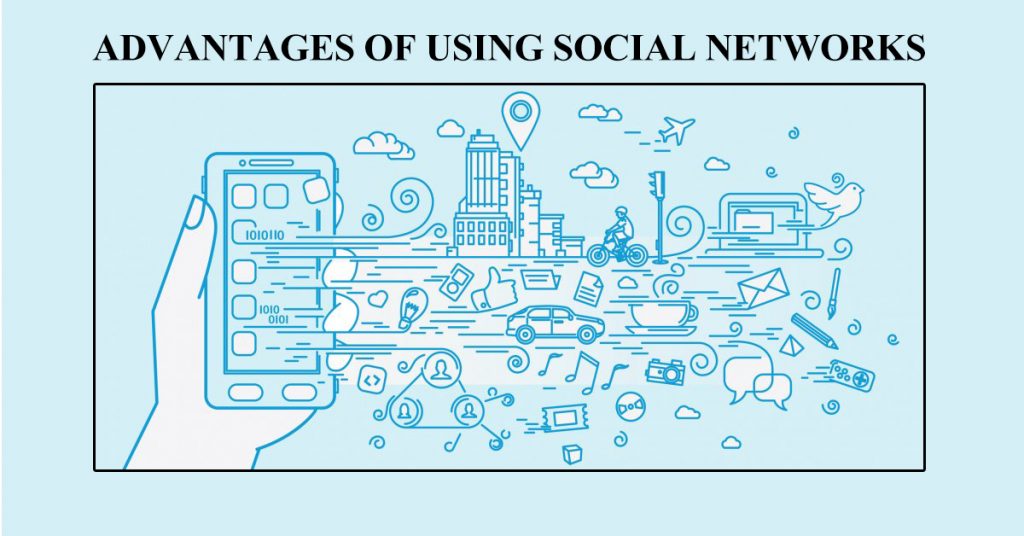
ADVANTAGES OF USING SOCIAL Media NETWORKS
1. Improve SEO
When you share the content on social media, it links backs to your website. In the same way that each incoming link to your site is a “point” for Google, every time someone shares a content generated by you, it is giving you “points” to improve the positioning of that content and therefore the support that it house and yourself. The more people show that they like your content, Google will also like your content to appear on the search results pages. It is necessary to design a strategy, defining what you want to achieve, with what means and to what target audience we are going to address. Content should be appealing and engaging that could attract the people to take a look at your social network profile and could be converted into potential customers.
2. Help to establish personal relationships
With an active presence in social networks, long and friendly conversations are created with your contacts. These contacts in many cases will become relevant to people in your sphere of influence, which will allow you to meet your contacts and trustworthy people, which implies a greater reach in the dissemination of your messages, as well as a greater response (measured in comments and new conversations). Conversing one by one makes it easy for you to offer personalized service and build trust in the other party.
3. Social content can be reused and redistributed
Belonging to and participating in several social media groups is relatively simple, so you can take your content with you and reuse it, adapting it in each group to its purpose and to the people who use it. You can use the same post that is used for Twitter, Facebook, and Instagram with the Hashtag strategy. It is a way to reduce resources for an active presence on different media, but without resorting to copy/paste.
4. More specific networks lead to more customers
In the United States, 65% of B2B companies have captured at least one customer through LinkedIn, well above Twitter (40%) and Facebook (43%). Therefore, if we can discover which networks are appropriate to comment on the services we offer and in which our target audience is located, we will be closer to contacting potential clients. It is a matter of prioritizing, observing the behavior of each community before our comments. In the case of B2C, Facebook leads the ranking, with 77% of companies that have captured customers through the social network.
5. Provide content generated by your contacts
The largest consumer group in history bases much of its purchase decision on the recommendations of other people or reviews. Usually, people value that content before purchasing online or while eating out in a restaurant. In most cases, before deciding on the purchase of products or contracting services, the first thing that is done is to consult what those who have already bought or hired previously.
DISADVANTAGES OF SOCIAL NETWORKS:

1. Does not work without content
The content creation and dissemination strategy are basic. Articles, videos, memes, infographics, comments, blogs, Press Releases are necessary and must be generated frequently. The main objective is to take people to your sites, but for that, you have to provoke that desire by promising good content.
That good content is generated through experience, imagination, knowledge and especially with TIME.
2. Success is achieved only in the long term
With exceptions (celebrities), your social profiles and content sites will not generate much traffic from the beginning. The growth is tremendous if the content is generated constantly with great quality and uniqueness. You have to keep patience for several months to get likes, followers, readers, subscribers, friends and new people to talk about your products or services.
3. Content expires fast
In search engines, the content and its page that hosts it usually remains permanently indexed. In social networks, everything goes very fast and a tweet announcing a wonderful new article is quickly lost in the timeline of your followers. The same happens in the Facebook wall and the messages of groups on LinkedIn. The updates from social networks such as fact its natural functioning causes rapid content expiration.
4. Intensive monitoring is necessary
For each profile it is necessary to be monitored from experts, to detect mentions, new comments, questions, reviews. There are tools to control these social reactions, but it is hard work to attend to each of them daily.
5. Reviews
One negative review of your business can destroy your reputation and efforts. However, you can handle such situations by the appropriate response to the customer. Also, many people create fake accounts to put negative reviews to spoil someone’s business. As a business owner, you have to be aware of such negative sides of Internet marketing.
Conclusion:
I hope this article gives you an idea about social media marketing, its advantages, and drawbacks. There is no doubt that social media is a powerful weapon to boost your business with vast internet growth and technology but at the same time, you should be aware of the disadvantages of it. I recommend you to use social media marketing for your businesses with quality content and quality service that does not affect your branding and reputation. Thank you for reading this blog. We will meet in the next blog with a more interesting and trending topic. See you soon.
The post Social Media Marketing For Your Business- It’s Pros & Cons? first appeared on Web Hosting Stuff.
]]>The post Tips For Drupal SEO Modules first appeared on Web Hosting Stuff.
]]>How you can quickly harness the power of Drupal to get your site indexed and get top rankings in Search Engines.
Best 10 Drupal modules for website marketing
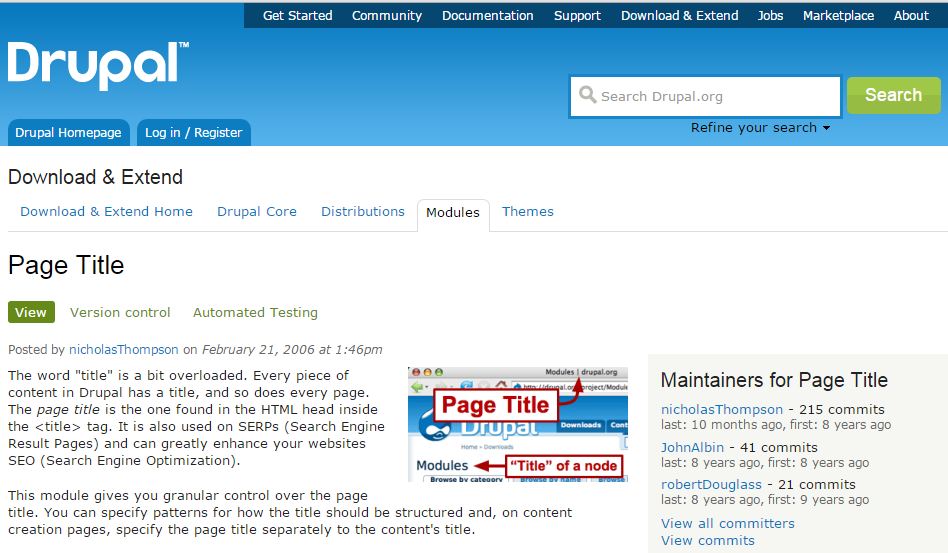
1) Page Title
You will Allows use to separate the page title from the content. The title given to a page is usually peppered with relevant keywords to attract maximum attention from search engines.
Click the Following Link and See how the page titles should be structured.
https://www.drupal.org/project/page_title
2) Pathauto
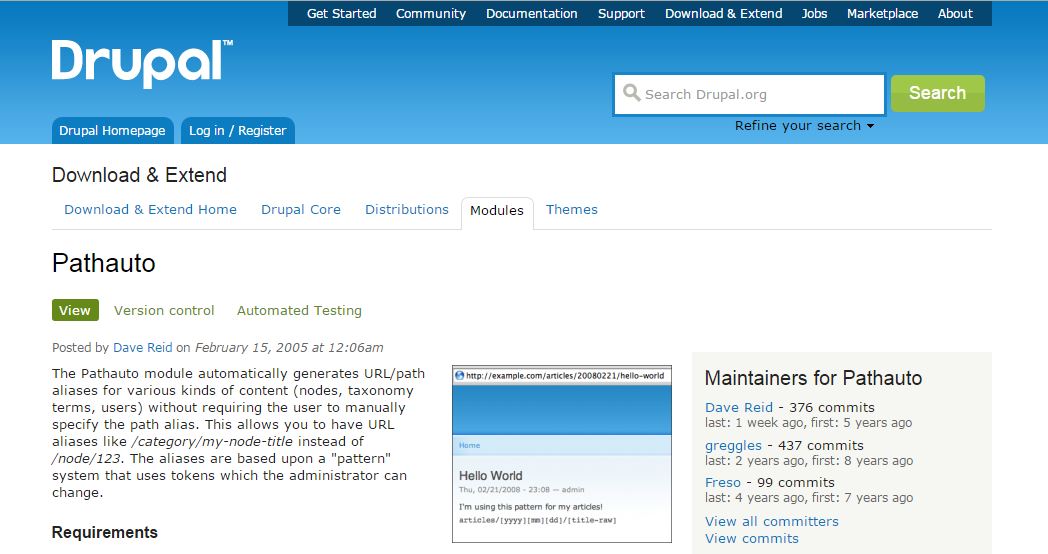
The Pathauto module to define patterns and automatically generate URLs based on these patterns. This module helps to generate optimized URLs that are highly SEO-friendly in nature.
For example,
Pathauto helps convert a Drupal-generated URL such as “mywebsite/node/15” into a more meaningful one like “hostripples.com/web-hosting/best-web“.
Click the Following Link and See how the Pathauto should be structured.
https://www.drupal.org/project/pathauto
3) XML Sitemap
XML Sitemap module will help search engine crawlers determine what new content is on your website, and what the paths are. Sitemaps are a listing of content on your website.
Click the Following Link and See how the XML Sitemap should be structured.
https://www.drupal.org/project/xmlsitemap

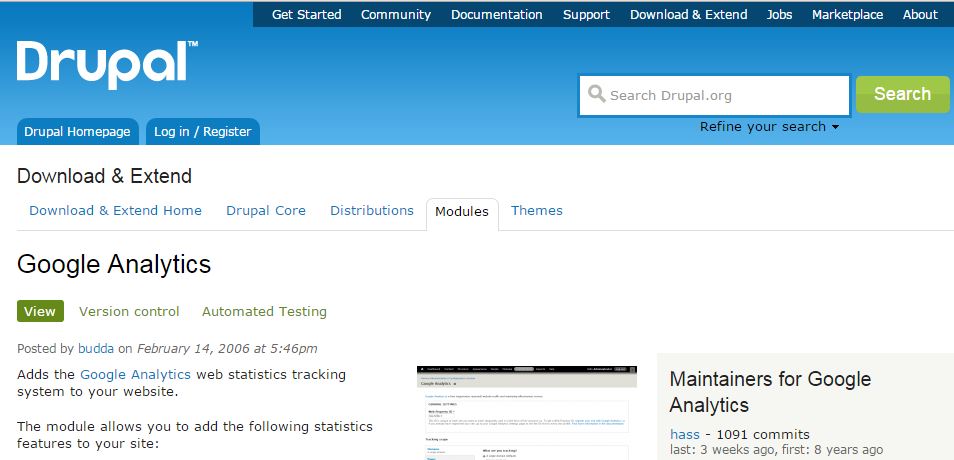
4) Google Analytics
This module will reports on who is visiting your website. You can see the top keywords for your site, your top entry and exit points, who is driving traffic to your site.
Click the Following Link and See how the Google Analytics should be structured.
https://www.drupal.org/project/google_analytics
5) Global Redirect
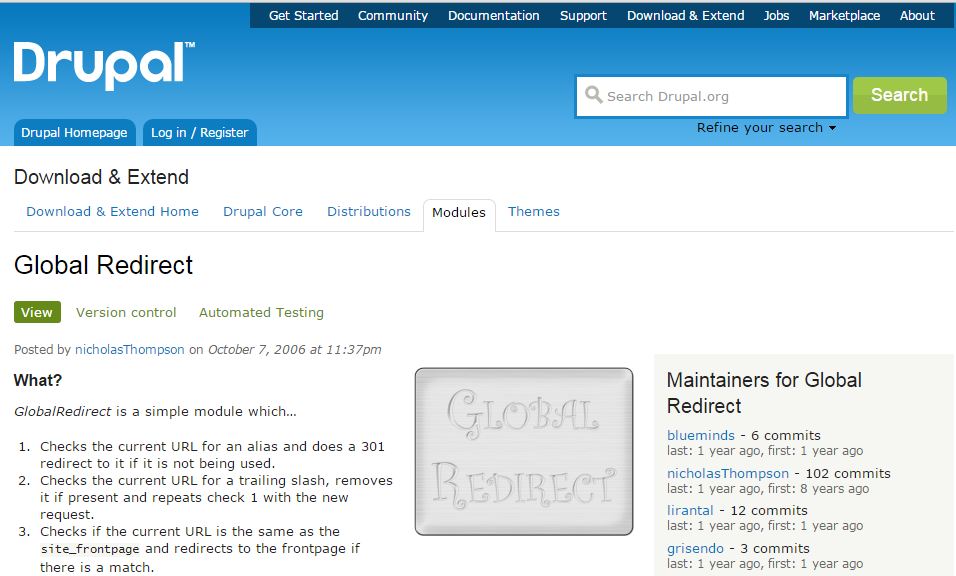
Global Redirect module handles 301 redirects on your website automatically.
Click the Following Link and See how the Global Redirect should be structured.
https://www.drupal.org/project/globalredirect
6) Redirect :
Search engines hate pages that can be accessed two or more URLs. Get rid of duplicate URLs by using the Redirect module to explicitly redirect to useful links while getting rid of 404 error pages.
Click the Following Link and See how the Redirect should be structured.
https://www.drupal.org/project/redirect

7) Metatag :
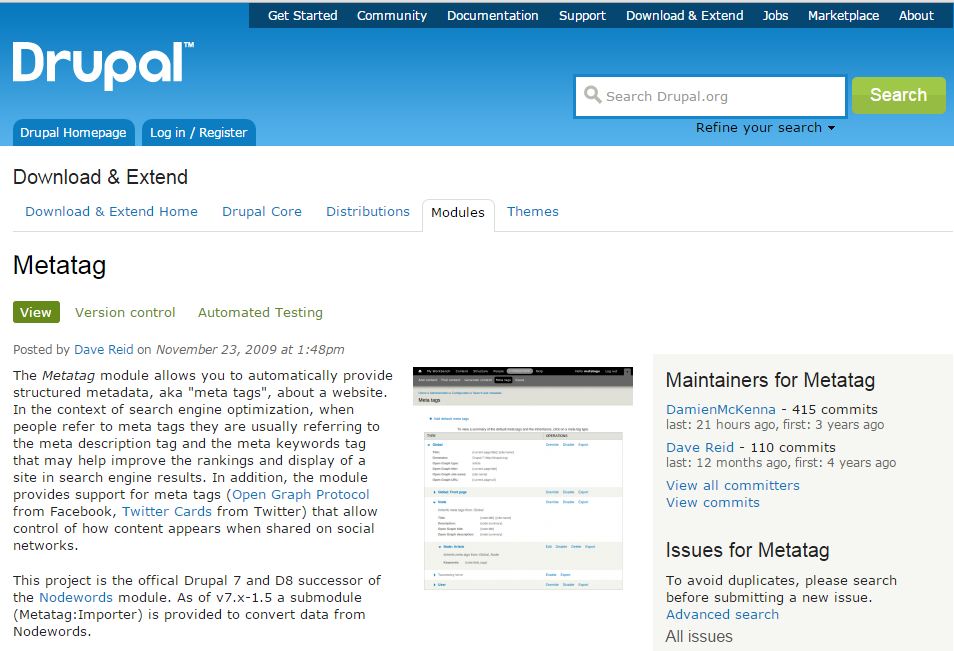
Metatag module define metadata on your content. This module is highly recommended to have Meta Descriptions on all content on your website. This module allows you to set some meta tags for each node, view or panels page.
Website can go nowhere without “Meta tags”, “Description”, “Page Title” or “Keywords”, Drupal has you covered! Each page you create can have their own share of meta tags to rise above other competing sites.
Click the Following Link and See how the Metatag be structured.
https://www.drupal.org/project/metatag
8) Content Optimizer :
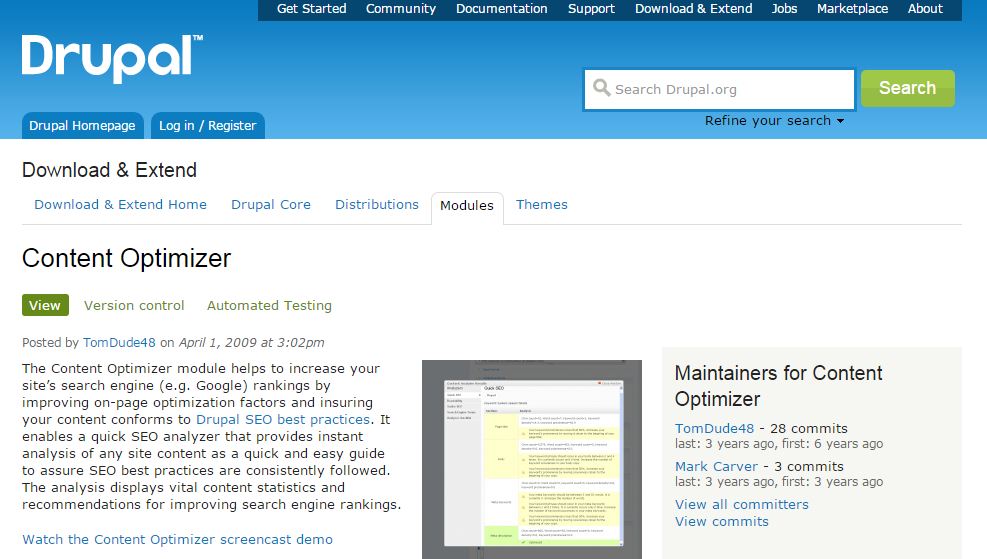
Content Optimizer module will help monitor nodes within your site and provide useful tips on SEO best practices.
Click the Following Link and See how the Content Optimizer be structured.
https://www.drupal.org/project/contentoptimizer
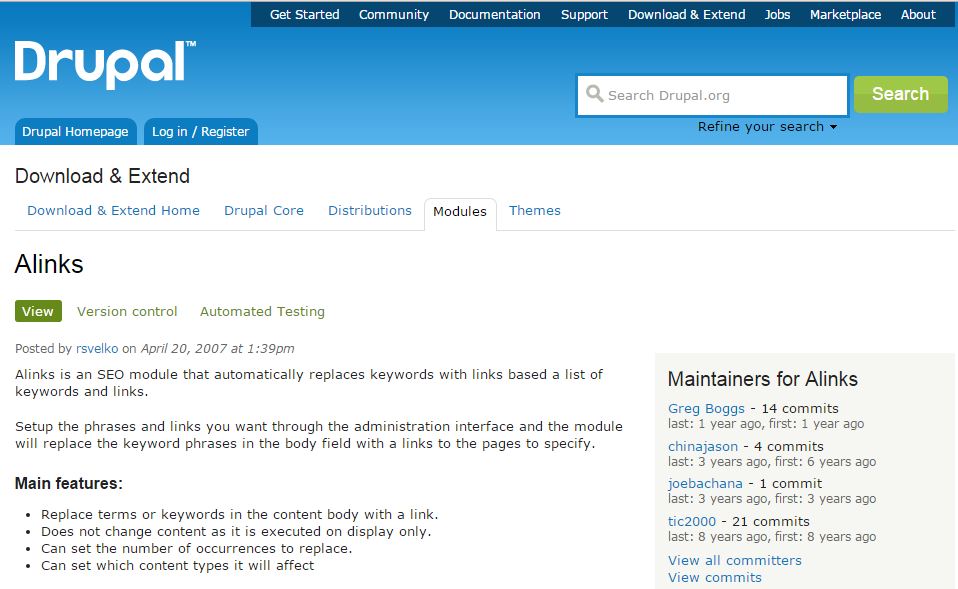
9) Alinks :
Alinks module will create automatic links. Allows users to associates defined text to links. This module is based on the wordpress module “alinks”. Very easy to use, just enter your normal content and setup the terms/links you want on your site through the administration interface.
Click the Following Link and See how the Alinks be structured.
https://www.drupal.org/project/alinks
10) SEO Compliance Checker :
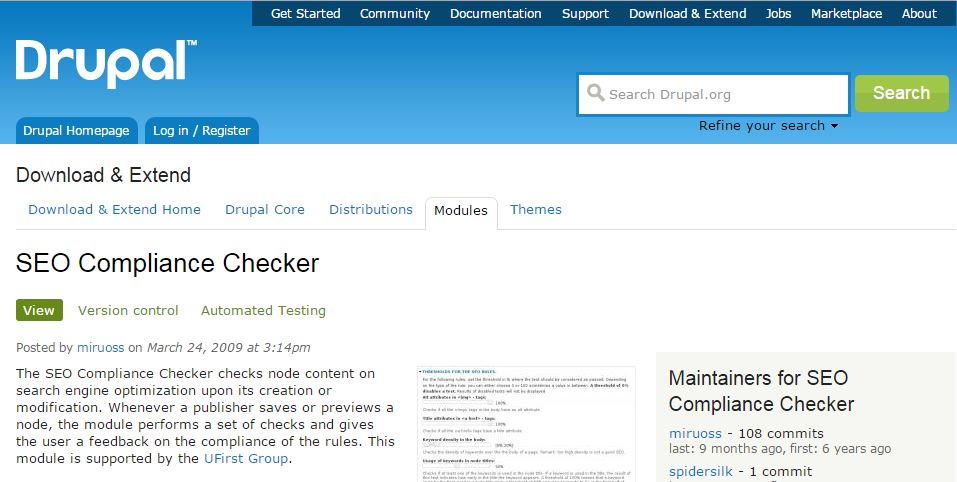
This module mainly checks for on page SEO. If a publisher saves or previews a node, the module performs a set of checks and gives the user a feedback on the compliance of the rules.
Click the Following Link and See how the SEO Compliance Checker be structured.
https://www.drupal.org/project/seo_checker
The post Tips For Drupal SEO Modules first appeared on Web Hosting Stuff.
]]>